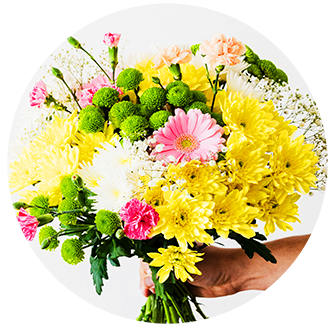
Secrets to Keeping Your Cut Flowers Vibrant
Posted on 14/08/2025
Secrets to Keeping Your Cut Flowers Vibrant
Who doesn't love the sight of a fresh bouquet blooming in a vase? But as days pass, those beautiful petals inevitably start to wilt. Fortunately, there are secrets and science-backed methods you can use to keep your cut flowers looking radiant and healthy for longer. In this comprehensive guide, we'll unveil the essential secrets to keeping your cut flowers vibrant, so you can enjoy their beauty to the fullest.
Why Do Cut Flowers Wilt?
When flowers are cut from the plant, they are separated from their natural source of water and nutrients. This interruption in the supply chain can result in dehydration, bacterial growth in stems, and rapid wilting. But by following some best practices and knowing what affects vase life, you can maximize your flowers' vibrancy and longevity.
Choosing the Freshest Cut Flowers
Everything starts with flower selection. If you want your bouquet to last, buy or pick the freshest flowers available. Here's how:
- Inspect Petals: Choose blooms with firm, vibrant petals showing no signs of browning or wilting.
- Check Stems: Stems should be green and sturdy, not slimy or discolored.
- Look at Buds: Select buds that are just beginning to open for longest vase life.
- Scent Matters: Fresh flowers have a clean, fragrant aroma, without signs of a sour or musty smell.
Local vs. Store-Bought vs. Homegrown
*Homegrown or locally sourced flowers* generally last longer in vases since they spend less time in transportation. If possible, buy from local florists, farmers' markets, or pick from your own garden to maximize freshness and vibrancy.
Proper Preparation: The First Secret
How you prepare your flowers immediately after purchase or picking is crucial to keeping cut flowers vibrant. Follow these professional florist secrets for optimal results:
- Remove Leaves Below the Waterline: Leaves submerged in water promote bacterial growth. Strip away any greenery on the bottom half of each stem.
- Trim the Stems: Cut about 1-2 inches off the bottom of each stem at a 45-degree angle. This increases surface area and water absorption while preventing stems from sitting flat at the bottom of the vase.
- Cut Underwater: Trimming stems underwater prevents air from entering the xylem (water-conducting tissues), allowing for more efficient water uptake.
- Use Clean, Sharp Tools: Dull or dirty scissors/crashers can damage stems and encourage decay. Always sterilize your tools beforehand.
Arranging Your Flowers: The Art and Science
Flower arrangement isn't just for aesthetics--it also helps with longevity! Here's how:
- Choose the Right Vase: Use a vase that is clean, tall enough to support longer stems, and wide enough to prevent crowding.
- Avoid Overcrowding: Give flowers enough space; overcrowding restricts airflow and invites mold growth.
- Mix Textures and Types: Combining sturdy, long-lasting varieties (like chrysanthemums, alstroemeria, and carnations) with short-lived blooms (like peonies or lilies) helps retain overall bouquet vibrancy.
The Water Factor: Keep Your Cut Flowers Fresh and Lively
The quality of water is one of the biggest secrets to keeping cut flowers vibrant and prolonging their freshness in a vase. Here's what you need to know:
Use Lukewarm Water
- Flowers absorb water more quickly at room temperature or slightly warm temperatures (not hot!).
- Cold water can shock delicate blooms, while warm water helps dissolve and carry nutrients faster.
Change Water Regularly
- Replace the water every two days to prevent bacterial growth and foul odors.
- Each time you change the water, also re-trim the stems for enhanced water absorption.
Add Flower Food (or Make Your Own!)
- Commercial flower preservatives contain the perfect blend of sugar (for nutrition), acidifiers (to lower pH), and antibacterial agents.
- If you don't have florist flower food, you can make your own: mix one quart of lukewarm water with 2 tablespoons of lemon juice, 1 tablespoon sugar, and 1/2 teaspoon household bleach.
- Sugar nourishes the flowers, lemon juice acidifies, and bleach inhibits bacteria/fungal growth.
Don't Overfill the Vase
- Too much water submerges excess stem and foliage, encouraging rot and bacterial growth. Fill the vase about half to two-thirds full, covering just the exposed stems.
Location, Location, Location: Where to Display Your Cut Flowers
The display environment plays a crucial role in keeping your flowers' colors and petals vibrant. To maximize the life of your bouquet:
- Keep Away from Direct Sunlight: Intense sunlight accelerates wilting, fading, and water evaporation.
- Avoid Heat Sources: Don't place vases near radiators, appliances, or hot electronics.
- Maintain Cool Temperatures: Flowers last longer in cool indoor environments (around 65-72?F or 18-22?C).
- Avoid Drafts and Fruit: Drafty locations or placing flowers near ripening fruit (which emits ethylene gas) causes petals to age faster.
Special Tips for Different Varieties
Not all flowers are created equal when it comes to vase life. Here are extra secrets for popular blooms:
Roses
- Remove thorns and extra foliage to minimize bacterial growth.
- Recut stems daily for maximum absorption, and change water frequently.
- If blooms droop, submerge the entire rose (stem and flower) in cool water for 30-60 minutes.
Tulips and Daffodils
- Trim stems straight across (not at an angle) as they naturally continue to grow in the vase.
- Keep tulips and daffodils separate: Daffodils exude sap that is toxic to many flowers, especially tulips.
- Tulips prefer colder water/placement than most flowers--keep them away from heat sources.
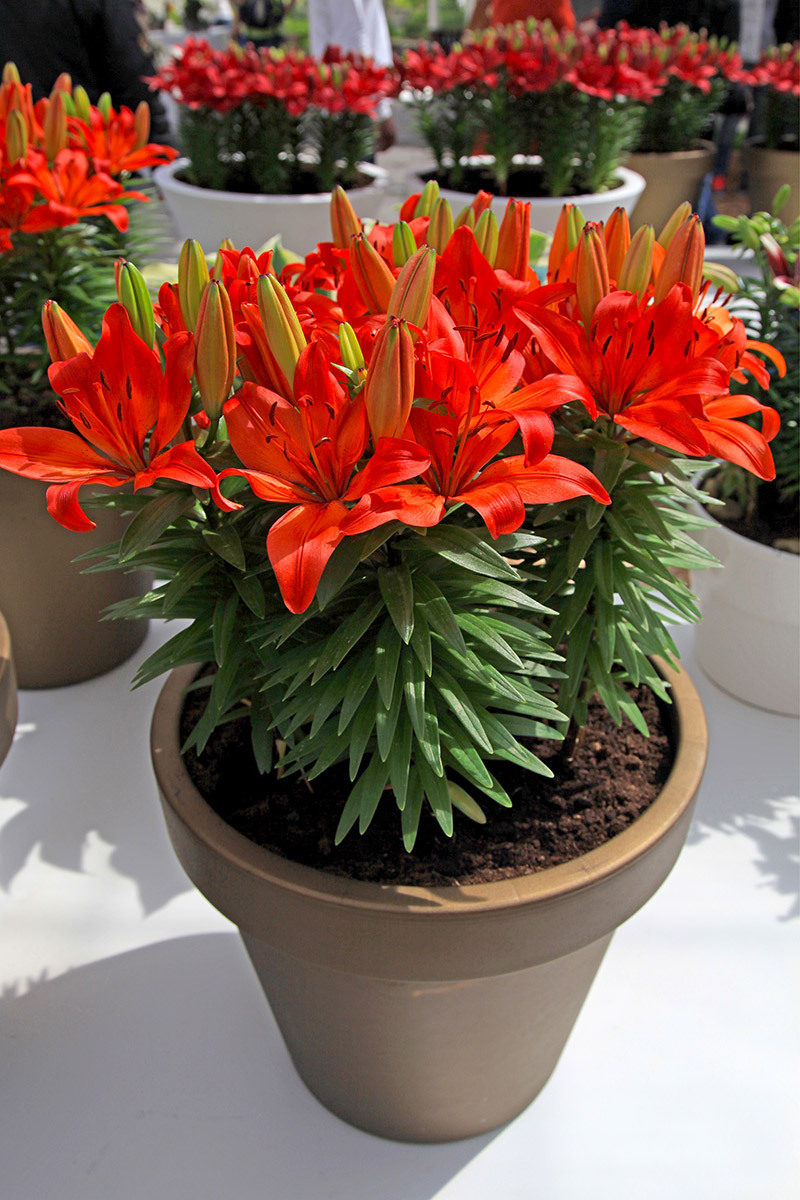
Lilies
- Remove pollen-laden stamens to prevent staining and prolong bloom life.
- Protect petals from bruising during handling and changing water.
Little-Known Tricks to Keep Flowers Vibrant
- Aspirin: Crushing an aspirin and adding it to your vase water acts as an acidifier, which helps stems absorb water and slows down decay.
- Pennies: Copper is a natural fungicide. Drop a clean, old penny (pre-1982 works best) in your vase for cleaner water.
- Vodka: Just a few drops of vodka inhibits ethylene production, slowing down the aging process of the blooms.
- Sugar and Vinegar: 1 tablespoon of sugar and 2 tablespoons of white vinegar per quart of water mimic the effects of commercial flower food mixtures.
Common Mistakes to Avoid
If your cut flowers don't last long, you may be making one of these common mistakes:
- Leaving Bouquet Wrapped: Remove packaging immediately so air can circulate.
- Forgetting to Re-trim: Stems seal over time; re-trimming ensures ongoing hydration.
- Neglecting Vase Cleanliness: Unwashed vases breed bacteria that kill flowers quickly.
- Mixing Incompatible Flowers: Some species, like daffodils, release toxins that can shorten neighboring flowers' vase life.
Eco-Friendly Tips for Keeping Flowers Fresh
- Compost the remains: When your flowers do eventually tire, compost them instead of tossing them in the trash.
- Reuse vases and materials: Clean and repurpose containers and greenery for the next arrangement.
- Choose organic flower food: Use natural flower preservative recipes to reduce chemical use.
Frequently Asked Questions About Keeping Cut Flowers Vibrant
How Long Should Cut Flowers Last?
*Most cut flowers last between 5-14 days*, depending on type, initial freshness, and care methods. Long-lasting varieties like alstroemeria, carnations, and chrysanthemums can outlast more delicate blooms, such as peonies or poppies.
Is it OK to Mix Different Types of Cut Flowers?
Yes, but with caution. Avoid combining daffodils with other flowers unless they've been kept separately in water for 24 hours; their sap is toxic to many other blooms. Mixing flowers with similar care requirements ensures all stay vibrant as long as possible.
Can I Revive Wilted Flowers?
Quick revival tips: Immerse wilted stems in warm water for 30 minutes, trim the ends, and change the vase water. For roses, try the full-submersion method in cool water for an hour. Sometimes, blooms can perk up with these tricks!
Why Do My Cut Flowers Turn Brown Quickly?
This is often due to bacteria in the water, old stems, or leaves submerged below the waterline. Regularly re-trim, remove any wilted parts, and keep water and leaves above the line!
Summary: Key Secrets to Keeping Your Cut Flowers Vibrant
- Start with the freshest blooms possible.
- Prep stems carefully: remove extra leaves, trim at an angle, use clean tools.
- Use clean, lukewarm water and change it regularly.
- Add flower food (homemade or store-bought) for nourishment and protection.
- Display bouquets away from direct sunlight, heat, and fruit.
- Be mindful of flower compatibility in mixed bouquets.
- Practice eco-friendly disposal and reuse of materials.
With these secrets at your fingertips, you'll discover how easy it is to keep your cut flowers looking vibrant and beautiful for days--if not weeks--to come. Try these methods the next time you bring home a bouquet, and enjoy the freshness and charm of healthy, long-lasting blooms!
Further Reading: Advanced Secrets to Preserving Cut Flower Vibrancy
Latest Posts
Office Greenery: Low-Maintenance Plants for Busy People
Get to Know 8 Hidden Facts About Sunflowers
Explore the Unseen World of Tulips with These 7 Facts