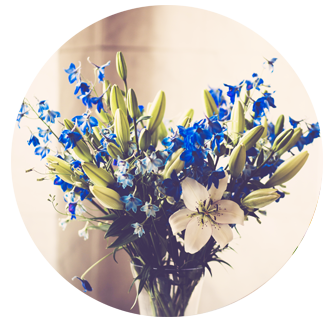
Explore the Unseen World of Tulips with These 7 Facts
Posted on 22/08/2025
Explore the Unseen World of Tulips with These 7 Facts
Are you mesmerized by the radiant beauty of tulips but feel there's more to these flowers than meets the eye? Explore the unseen world of tulips with this captivating article revealing seven remarkable facts. Whether you're a seasoned gardener, an enthusiastic botanist, or simply an admirer of floral elegance, these insights will deepen your appreciation for these globally cherished blooms. From their compelling history and mesmerizing varieties to symbolic meanings and ecological impact, let's take an immersive journey into the world of tulip flowers.
1. The Journey of Tulips: From Wild Steppe to Royal Gardens
The tulip's journey is as vibrant as its petals. Often associated with the Netherlands, tulips actually originated in the wild, rocky terrain of Central Asia. Nomadic tribes and ancient civilizations first admired these flowers for their resilience and unique beauty.
- Tulips were first cultivated around the 10th century in regions that are now part of modern-day Turkey and Iran.
- Their unique shape and vivid colors drew the attention of Ottoman sultans, leading tulips to become symbols of abundance, wealth, and paradise in Islamic culture.
- The flower made its way to Western Europe in the 16th century, where Dutch horticulturalists famously embraced its cultivation.
Unveiling the unseen legacy: Today's sweeping tulip fields in the Netherlands are direct descendants of ancient wild tulips -- testaments to centuries of cross-cultural admiration and botanical craftsmanship.

2. Tulip Mania: The World's First Speculative Bubble
Did you know? The almost surreal beauty of tulips once triggered the world's first economic bubble -- Tulip Mania in the 17th century! During this period, the value of tulip bulbs soared to extraordinary heights, comparable to the price of houses and land.
- At its peak, a single rare tulip bulb could command a price equal to ten times a craftsman's annual wage.
- Contracts for tulip bulbs were traded on exchanges, laying the foundation for some modern stock exchange practices.
- The 1637 collapse left many investors penniless and is often cited as a cautionary tale of economic speculation.
Exploring this lesser-known chapter of history adds a dramatic layer to our understanding of tulip flowers and their enduring allure.
3. Hidden Diversity: Over 3,000 Varieties of Tulips
One of the most fascinating tulip facts is their incredible diversity. Today, zoologists and horticulturalists recognize over 3,000 registered tulip varieties, each boasting unique characteristics -- from petal shape and color to blooming season.
Classifications of Tulip Types
- Single Early Tulips: Cup-shaped, hardy tulips that bloom as early as March.
- Darwin Hybrid Tulips: Towering stems and large, boldly colored blooms -- ideal for garden displays.
- Parrot Tulips: Frilled, feather-like petals and vibrant, multicolored designs, making them rare gems for collectors.
- Lily-Flowered Tulips: Petals that elegantly curve outward, resembling a lily, popular in ornamental gardens.
- Rembrandt Tulips: Famous for their dramatic streaks and swirls, caused by a benign virus, coveted by historical collectors.
Unseen beauty: Many gardeners and enthusiasts are unaware of wild species tulips -- these unhybridized ancestors offer a resilience and subtlety unmatched by their cultivated cousins.
4. The Symbolic Meaning of Tulip Flowers
Beyond their aesthetic value, tulip flowers symbolize a wide range of emotions and messages. Across different cultures, colors, and traditions, tulips have come to represent everything from love and friendship to forgiveness and renewal.
What do tulip colors mean?
- Red Tulips: Represent deep, undying love-- often given to partners or soulmates.
- Yellow Tulips: Associated with cheerful thoughts and bright, sunny optimism.
- Purple Tulips: Historically symbolize royalty, nobility, and admiration.
- White Tulips: Convey purity, innocence, and sometimes, a solemn apology.
- Variegated Tulips: With streaked petals, these signify beautiful eyes and admiration of someone's gaze.
Across the world, tulips have woven themselves into poetry, art, and celebration of life's milestones -- a testament to their timeless and universal appeal.
5. Tulips' Ecological Impact and Role in Biodiversity
While people prize tulips for their breathtaking displays, their ecological footprint is just as fascinating. Tulips possess a remarkable adaptability to diverse climates, making them integral to the ecosystems of their native lands.
- Wild tulip species provide an early spring nectar source for pollinators, including bees, butterflies, and moths.
- Their bulbs help stabilize soil, particularly in the mountainous terrain of Central Asia, helping to prevent erosion.
- Conservation efforts today focus on preserving rare tulip species threatened by habitat loss and climate change.
Unseen Benefits: Many gardeners unknowingly support local insect populations by planting tulips, thus aiding in ongoing efforts toward horticultural biodiversity.
6. Surprising Uses of Tulips: From Cuisine to Cosmetics
Did you know that tulip petals are edible? While not commonly found on the dinner table today, during the Dutch famine of World War II, tulip bulbs provided a last-resort food source. When prepared correctly, some varieties are used to add color, garnish, and a cucumber-like crunch to salads.
- Culinary Uses: Modern chefs experiment with tulip petals in gourmet salads, desserts, and as vibrant garnishes for cocktails.
- Cosmetic and Traditional Uses: Tulip extracts are incorporated into perfumes and skin care products for their hydrating and antioxidant properties.
- Natural Dyes: The vivid pigments from various tulip species have historically been used as dyes for fabric and craft materials.
Important Note: While some species of tulip petals are safe in moderation, tulip bulbs and certain petal types can be toxic. Always consult reputable sources before attempting consumption!
7. How to Grow and Enjoy Your Own Tulips
Growing tulips in your garden is both rewarding and accessible for gardeners at all levels. By understanding the unseen needs of tulips, you can cultivate spectacular displays year after year.
Tips for Successful Tulip Cultivation
- Choose the Right Bulbs: Opt for high-quality, disease-free bulbs for the best results.
- Timing Matters: Plant your bulbs in the fall, approximately 6-8 weeks before the first heavy frost.
- Depth and Spacing: Insert bulbs 6-8 inches deep and 4-5 inches apart for optimal growth and bloom density.
- Soil and Drainage: Tulips prefer well-drained, sandy soil and a sunny location.
- Winter Chill: Tulips require a period of cold dormancy, making them perfect for temperate and cool climates.
- Post-Blooming Care: Allow leaves to die back naturally, nourishing the bulb for next season's flowers.
Unleash your inner horticulturalist: Experiment by layering early, mid-season, and late-blooming varieties for a prolonged, ever-changing tulip display.
Exploring the Unseen World of Tulips: Final Thoughts
Whether you are captivated by the historical drama of tulip mania, the untold stories of wild species, or the rich tapestry of their symbolic meanings, tulips have a universe of secrets waiting to be explored. Tulip blooms continue to inspire artists, gardeners, and dreamers worldwide, proving that their unseen world is full of wonder and discovery.
- Tulips are more than just beautiful flowers; they chart an epic journey across continents and cultures.
- The dramatic history, diverse species, and symbolism encompassed in the world of tulips reveal their enduring significance.
- By growing and appreciating tulips, you become part of an ancient and ongoing story, embracing both beauty and botanical legacy.
So the next time you see a tulip, remember: you're not just witnessing a flower, but centuries of history, resilience, and wonder bundled in a single, radiant bloom.

Frequently Asked Questions About Tulips
What makes tulips unique among spring flowers?
Tulips stand out for their enormous variety, historical significance, and ability to thrive in challenging conditions. Their straightforward elegance and vibrant hues make them a favorite worldwide.
Are any tulip species endangered?
Yes. Habitat loss, overharvesting, and climate change threaten several wild species. Conservation efforts are crucial for preserving tulip biodiversity for future generations.
Why are tulips associated with the Netherlands?
While tulips are not native to the Netherlands, Dutch horticulturists popularized and commercialized their cultivation on a massive scale. Today, Dutch tulip fields and festivals attract millions of visitors annually.
Can you grow tulips indoors?
Absolutely! Tulip bulbs can be "forced" indoors to bloom even in winter, bringing a splash of springtime cheer to your home.
Conclusion: Embrace the Mystery and Majesty of Tulips
The unseen world of tulips is a realm of enchantment, science, and culture. By delving into these seven hidden facts, you'll deepen your knowledge and admiration for one of nature's most celebrated blooms. Whether in vast fields, wild mountainsides, or your own garden, let the tulip's stories inspire you to look closer, appreciate deeper, and celebrate the wonders of the natural world.
Start your own journey of discovery today--plant tulips, share their story, and watch as the unseen world of tulips comes alive in new and fascinating ways.
Latest Posts
Office Greenery: Low-Maintenance Plants for Busy People
Get to Know 8 Hidden Facts About Sunflowers
Explore the Unseen World of Tulips with These 7 Facts